Fumbled beginnings
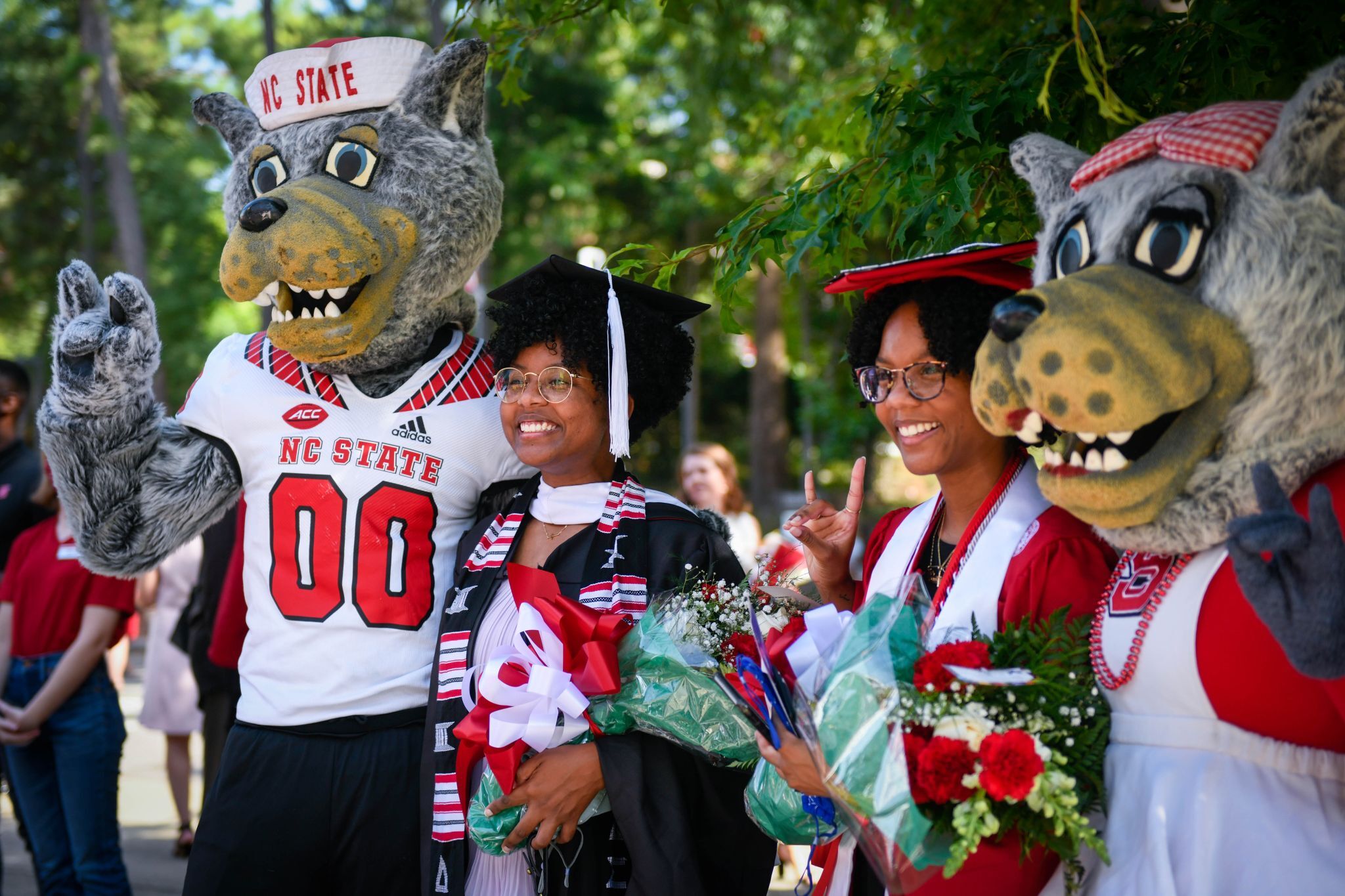
Growing up, I knew I would be an artist someday. I genuinely couldn’t imagine going in any other direction. In high school, I took that belief and shifted it slightly towards a more specific goal: graphic design. I threw all my energy into designing logos and graphics for family, friends, and local organizations and businesses. If this worked out in the long run, maybe I wouldn’t spend all day drawing pictures, but I would still get to be creative for a living. That mindset ultimately encouraged me to apply for NC State’s Graphic Design undergraduate program. NC State, however, had different plans.
I was rejected from the State’s design program in the last semester of my senior year. In my rejection letter, I was reassured that I had been accepted into my backup program: Communication. At the time, I had no idea what a Communication major actually did (and, if we’re being honest, I still don’t fully know). It seemed the closest to a design program without actually being part of the design school. Still, I accepted the offer with the hope of transferring into the design school after my freshman year. Every year, I submitted a transfer request. Every year, I was denied. You’d think I would’ve gotten the hint, but nope.
Throughout undergrad, I picked up design projects wherever I could: local businesses, on-campus organizations, random frat parties—you name it, I jumped on it. I racked up as much hands-on experience as possible, applying the lessons from my Communication courses to my work and strengthening my messaging abilities. I followed this path through graduate school. It wasn’t until I graduated that I began to worry whether this makeshift, self-built experience would be enough to convince someone in the “real” world that I could actually walk the walk.
The Impact of a chance
Funnily enough, I entered the workforce through the nonprofit sector. During the final semester of my graduate program, I was accepted as a Communication intern for an on-campus nonprofit focused on family and community health and safety. After graduation, that same organization offered me a full-time position, but not as a Communication Specialist.
After a full semester of openly sharing my interest in design and my desire to formally step into the field, the organization’s Marketing Director, Marianne, took a chance on me and created an official graphic designer position within the marketing department. For the first time, I had the opportunity to build a brand from the ground up, something I’d never done before. Under her leadership, I got my first real taste of what it meant to work professionally as a designer. I’ll always be grateful for Marianne’s support as I grew into the role, especially without a formal design education. Her trust and that opportunity became the true jumping-off point of my career. Less than a year later, I was offered my next role as a graphic designer for a local tech startup in Durham, North Carolina.
What began as a career centered on supporting family and community wellness quickly shifted into one focused on translating technical jargon into clear, compelling visual stories—pitching products to companies, municipalities, and schools across the country. It was challenging, yet exciting all at once. Designing under a new brand for an entirely different purpose pushed me to grow quickly, both as a designer and as a person. Over three years in tech, I learned how to speak up in rooms full of strong opinions and how to design with structure, organization, and strategy at the forefront.
All things come to an end
After a series of layoffs, I found myself returning to contract work, which, in many ways, made me feel like I had regressed in my career. This was where I had started long before I ever set foot on a university campus. How could I be back here? But what once meant designing logos and flyers for family friends had evolved into something much larger. Contracting now involved managing client agreements, filing business taxes (ew), scheduling discovery meetings, building timelines, and delivering comprehensive project packages. There were busy seasons and slow ones, but the flexibility was intoxicating. I controlled my schedule, the projects I accepted, and the clients I worked with. I’ll always value that season of my life, and I’m confident it won’t be the last time I work exclusively as a contractor. Still, the lack of stability began to take its toll. Without knowing what clients or projects lay ahead, long-term planning felt nearly impossible.
What brings me to today
Somehow, I’ve found myself back in a space deeply rooted in nonprofit work and community-focused values. It’s an odd feeling—but this time, it doesn’t feel like regression. It feels right; feels like an adventure. As I’m writing this, I’ve been with AOC for nearly four months, and I have a strong gut feeling that it will continue to feel this way, in the best possible sense. I’m excited to see where it takes me!